
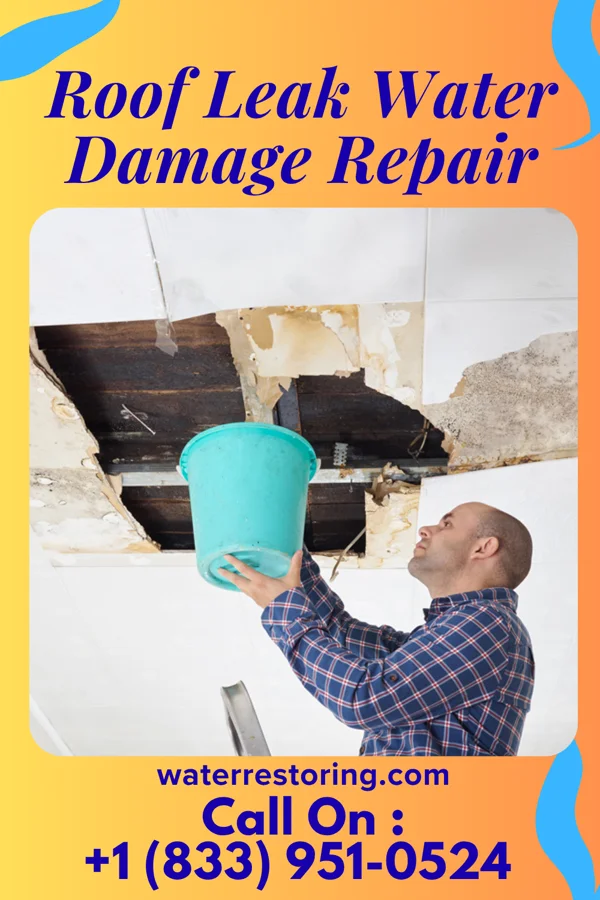
Roof Leaks Across Durbin Neighborhoods
Every neighborhood in Durbin has a different water damage risk profile. The one that shows up on most restoration calls is Durbin, West Virginia experiences frequent spring and summer thunderstorms, which can lead to sudden heavy rainfall and flash flooding. The region's mountainous terrain can cause rapid runoff, increasing the risk of water infiltration through roofing materials. These weather patterns are common and require prompt attention to prevent long-term damage.. A close second is In the fall, Durbin is prone to strong winds and occasional hail, which can damage roofing systems and create entry points for water. Winter brings freezing temperatures that can cause ice dams on roofs, leading to water backup and leaks. These seasonal weather events are critical for roof maintenance in the area..
Durbin's climate, characterized by frequent precipitation and temperature fluctuations, can cause significant damage to roofing systems over time. The combination of rain, wind, and freezing temperatures creates a challenging environment for roof integrity, requiring specialized repair services.
Water damage in Durbin follows a few local patterns. Durbin, West Virginia experiences frequent spring and summer thunderstorms, which can lead to sudden heavy rainfall and flash flooding. The region's mountainous terrain can cause rapid runoff, increasing the risk of water infiltration through roofing materials. These weather patterns are common and require prompt attention to prevent long-term damage. accounts for the bulk of our calls. Durbin's climate, characterized by frequent precipitation and temperature fluctuations, can cause significant damage to roofing systems over time. The combination of rain, wind, and freezing temperatures creates a challenging environment for roof integrity, requiring specialized repair services. Mold can develop within 48 hours of water exposure in Durbin's humid climate, leading to health risks and property damage. The presence of moisture in homes, especially in basements and attics, increases the likelihood of mold growth, which can affect indoor air quality and structural integrity.